
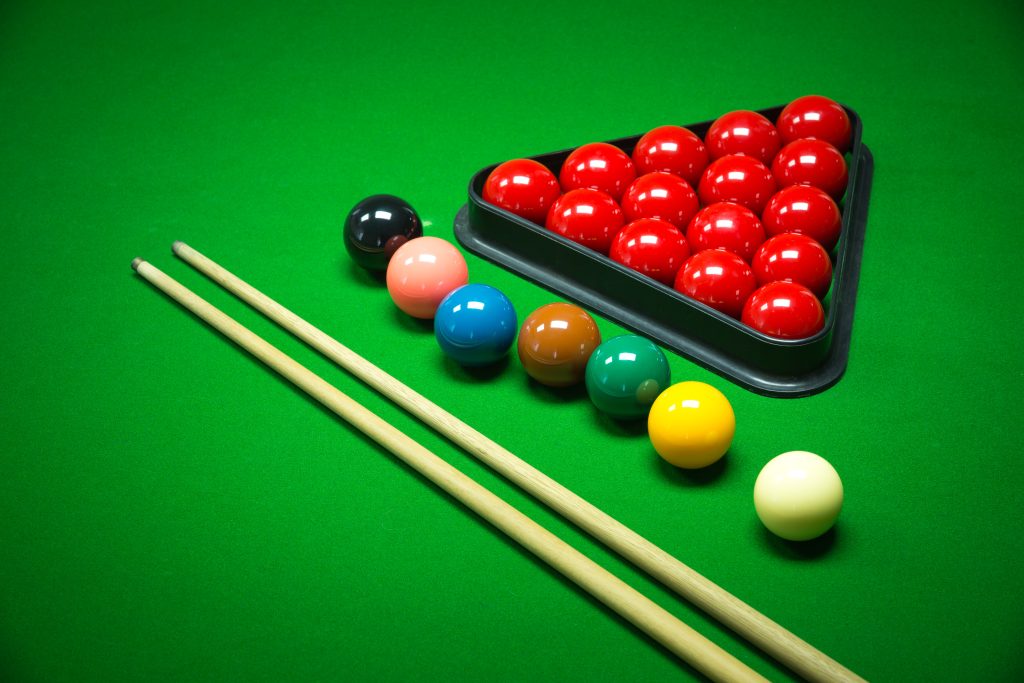
Snooker is a game where mastering the basics is all that matters. The rules are simple; it’s precision and patience – both largely mental – that will win the game. If you want to become as good as possible at Snooker, you’ll need the right mindset.
Here are the principles of strategy and mindset that are just as applicable to Snooker as to the rest of life.
Full Focus
The first thing that will determine your performance when playing a game like Snooker is that you’re really focusing on the game. It’s easy to get distracted, especially when playing with friends. That’s fine sometimes, but it’s not likely to leave you performing at your best.
It’s obvious why practising focus is important in much more of life than just Snooker. In almost any difficult pursuit, knowing how to concentrate is crucial. Whether you want to learn a skill or produce something, knowing how to really lock in is something that can’t be compromised.
Some of the best tips for fully concentrating come from the research on flow, a state where people effortlessly get sucked into the task, performing at their best and often losing track of time.
There are 22 flow triggers you can work to incorporate into your Snooker games.
One of these, the most well-known one, is that your skill level should be just below the difficulty level you’re playing at. That way, you have to extend yourself, but it won’t be so difficult that you lose interest.
Another way to make it easier to slip into flow is by adding some risk to the game. For snooker, you’re not likely to experience much physical risk the way you might when mountain climbing or surfing, but you can still add social, emotional or financial risk to help improve performance.
Anyone who bets on sports will be familiar with how much more interesting a game is once you’ve placed a bet on it – even if it’s just about a few pounds. Focusing on every detail of the game suddenly becomes effortless.
Players who want to bet on sports abroad can enjoy sports betting not on Gamstop with an often even bigger selection of sports options to bet on. On top of that, you’ll often see bigger bonuses and more flexible payment options on these sites.
A simple way to increase your focus when playing Snooker is to place a harmless bet. Even if it’s not about a big amount, you’ll find yourself getting into the game with much less effort.
Read more about using flow triggers to get into a game of Snooker or anything else you want to really get good at.
Regular, Disciplined Practice
Intentional regular, if not daily, practice adds up over time, and is the best way to get better at pretty much anything. Steady effort will gain you much more progress than occasional bursts of effort will.
With enough practice, hitting the ball exactly the way you intended will become second nature, and you can turn your focus to strategising.
Meditation & Visualisation
When it comes to performance of any kind, meditation and visualisation are two tools that are criminally underrated. Studies have shown that merely visualising winning can boost focus, motivation, and performance. Best of all, you don’t need anything but your own mind and effort to do it.
While meditation and visualisation are thus far mainly used in sports, they can be applied to any area of life.
To make the most of this technique, you might want to do a slightly longer session before starting a game, as well as a quick 10-second visualisation before making a shot. Just focus on winning in your mind’s eye and watch your accuracy increase!
Don’t Rush & Stay in Control
Ever heard the saying “Go slow to go fast?”
Slowing down is usually the best way to get the results you want faster. When you occasionally pause and think, you won’t have to keep going back to correct mistakes, and you will ultimately reach the end destination faster than if you had rushed. It’s as true for life as it is for Snooker.
You’re not timed on how fast your shots are, nor how strongly you hit the ball. Use only the power needed to be accurate, and be patient rather than hasty. Go slow and steady, and use a quick meditation mentioned earlier to calm your mind if you find you need it.
Pace yourself. Playing a long game, just like chasing long-term goals, requires endurance and consistency rather than rushed and desperate efforts that tire you out emotionally and mentally.
Learn From Mistakes
One of the most important things to learn in life is that most mistakes are nothing more than opportunities to learn. If we don’t get our egos crushed by failing, it can actually be a great thing that makes us better next time.
Learning from mistakes as well as adapting to the changing layout of the balls is crucial in Snooker. In other words, you’ll need to be flexible and take missed shots as feedback and a changed landscape as an opportunity to change tactics.
Experiment with Strategy
Similarly to adapting to the current positions of the balls, you should be actively experimenting with strategy to expand your range. This is especially important in the beginning, and will likely be internalised once you’ve played enough.
The ways you can do this are planning multiple moves ahead, controlling the tempo rather than getting worked up and switching between the defensive and offensive as needed.
When stuck between a defensive or offensive move, consider the risk vs. reward. Does the potential gain justify the offensive risk? If not, you might want to stick to the defensive.
While experimenting, you might also find that you play better when choosing mostly low- or high-risk modes. That’s fine, and then you know how to tilt the balance between offensive and defensive to maximise the outcome.
Conclusion: Snooker is A Mental Game
Most games are largely mental; Snooker is even more so than many others. Think about it – when you miss, is it because you lack the strength to hit the ball? Because you didn’t have the physical flexibility?
No, of course not. It’s more likely because you didn’t have the mental skill to properly apply yourself to the game.
But now, you know how to solve that! And don’t just stick to Snooker – try these principles in other areas of your life and watch the change.
If you feel overwhelmed by everything we’ve gone through, start with just one principle and add on others later. The important thing is you start somewhere – anywhere you choose will make a real difference in your game.